
Kenya’s average year-on-year consumer inflation rose to 6.5 percent in July, the second-highest level in 30 months, largely on elevated transport costs.
Data by the Kenya National Bureau of Statistics (KNBS) showed that the annual inflation—a measure of growth in average cost of goods and services over the previous year—edged up from 6.4 percent in June.
The latest reading was only slightly below 6.7 percent in May, the highest since January 2024, highlighting the wave of price increases that began after the Middle East conflict pushed up global oil prices and domestic fuel costs.
The KNBS data shows transport remained the biggest driver of inflation, with prices in the sector rising 15.6 percent over the past year—the fastest increase among the 13 categories the state-run statistician uses to calculate the Consumer Price Index.
Food and non-alcoholic beverages recorded annual inflation of 9.0 percent, while housing, water, electricity, gas and other fuels rose 3.2 percent.
The elevated transport costs from the second quarter (from April) of the year marked a steep shift from the beginning of the year.
Annual transport inflation averaged 4.2 percent in the first quarter (January to March) before accelerating to an average of 14.4 percent in four months through July as higher fuel prices filtered through the economy.
Transport costs increased 10 percent in April compared with a year earlier, and then climbed further to 16.5 percent in May before easing marginally to 15.6 percent in June and July.
The acceleration coincided with the jump in international crude oil prices following the US-Israel war in Iran, whose effects reached Kenya in April through higher pump prices.
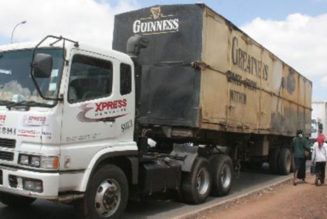
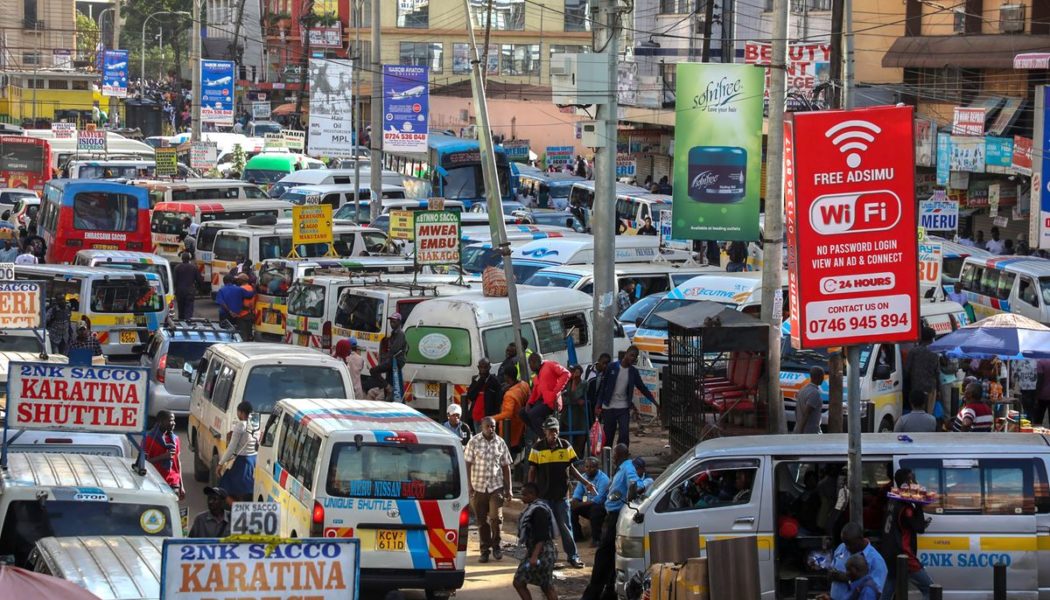
The increase has since spread beyond fuel to public transport fares and freight costs, raising the cost of moving people and goods across the country.
Although pump prices remained unchanged in July, transport inflation stayed near its highest level in years, suggesting businesses and transport operators are still passing through earlier fuel cost increases and other operating expenses to consumers.
Diesel continued to retail at Sh224.04 a litre while petrol remained at Sh214.95 during the month.
KNBS said inter-town bus and matatu fares declined marginally between June and July. However, boda-boda charges and fares for travel within towns increased, helping keep transport as the fastest-rising component of spending by households and businesses.
Transport also became one of the biggest contributors to headline inflation. It accounted for 1.5 percentage points of the overall 6.5 percent inflation rate, second only to food and non-alcoholic beverages, which contributed 2.6 percentage points. Housing and utilities added another 0.5 percentage points.
While food remains the largest contributor to the cost of living because of its weight in household spending, transport is increasingly driving price increases across the wider economy by raising commuting expenses, distribution costs and business operating costs.
Consumers, however, received some relief from lower prices for several staple foods. Tomato prices fell 3.7 percent during the month, carrots declined 3.6 percent, while sifted maize flour dropped 1.6 percent. Beans and cooking oil also became slightly cheaper.
Those gains were offset by higher prices for beef, potatoes, onions and kale, alongside increases in electricity tariffs.
Electricity charges rose by 3.1 percent for households consuming 200 kilowatt-hours to Sh5,648.30 and by 3.5 percent to Sh1,286.84 for those using 50 kilowatt-hours, as the cost of refilling a 13-kilogramme LPG cylinder fell 1.1 percent to Sh3,432.21.