

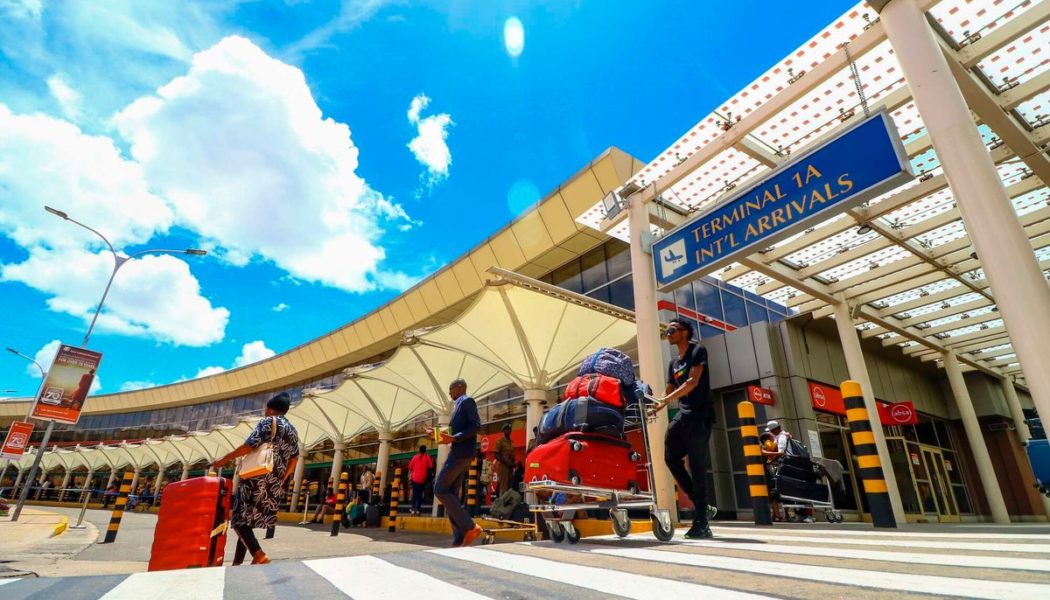
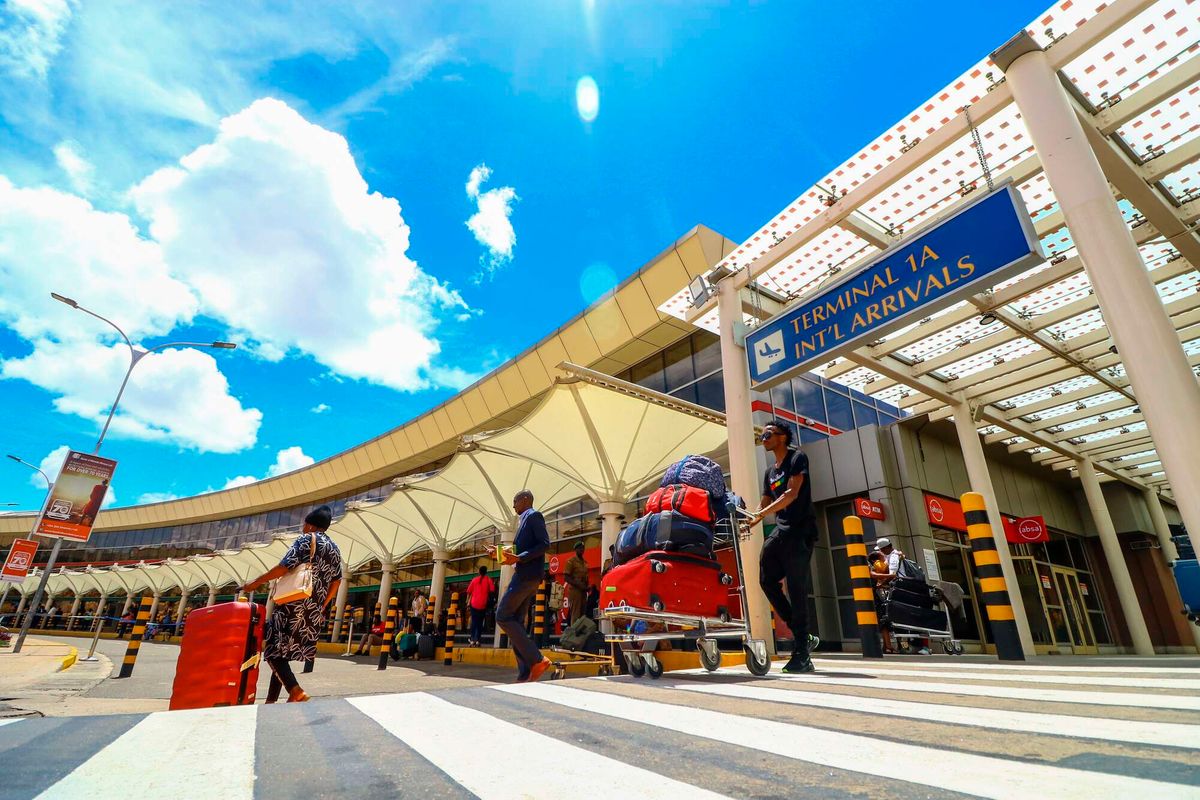
Kenya will borrow Sh81 billion for the expansion of the Jomo Kenyatta International Airport, dropping an earlier plan to fully fund the upgrade using a bond.
The loan will account for 70 percent of the Sh116 billion expansion costs and the balance of Sh35 billion will be raised through a securitised bond and from the recently established infrastructure fund.
The bond will be backed and repaid from the air passenger service levy.
Under securitisation, projected future revenue streams from the levy, a fee $50 (Sh6,450) for international journey tickets and Sh600 for domestic, will be packaged into marketable securities that are sold to investors.
Kenya is aiming to nearly triple JKIA’s annual passenger handling capacity to 22 million, but had to pause the project last year after it cancelled a deal with India’s Adani group in 2024 following the indictment of its founder in the United States.
The government has contracted Africa’s Trade and Development Bank and Africa Finance Corporation to arrange financing for a $900 million (Sh116 billion) expansion of its main airport in Nairobi.
“KAA will put in 30 percent equity, and we’ll go to the market to borrow 70 percent… So, we’re basically leveraging the air passenger service charge tax, to basically sell a portion of that to raise the 30 percent, and we’ll go to the market with a bankable project to raise 70 percent,” said Roads and Transport Cabinet Secretary Davies Chirchir in an interview.
The overall cost of the project is expected to fall from the initial $1.2 billion (Sh155 billion) to an estimated $900 million (Sh116 billion).
“We also want to leverage on the National Infrastructure Fund argument that if they put in a portion of the investments, we can get a tax-free regime and we’ll be able to bring down the cost to an average of $900 million on account of bringing down the tax,” Mr Chirchir said.
The project involves rehabilitating existing airport facilities, including runways and aprons, and building a new passenger terminal to boost annual passenger handling capacity to 22 million, from 7.5 million.
Kenya is keen to maintain its position as a travel hub in the region, even as Ethiopia and Rwanda invest billions in new airports to entice airlines and travellers.
The country is also seeking new ways to finance infrastructure after a debt surge squeezed its finances.
The loan deal differs from the previous plan, which would have seen Adani carry out the expansion and then hand a 30-year lease to operate the airport.
That plan was scrapped in 2024 when US authorities indicted Gautam Adani and several executives, alleging they paid bribes to secure Indian power contracts and misled US investors.
The US authorities this year dropped the Adani case.
Kenya had also mulled a $4.2 billion (Sh540 billion) bond for the expansion of the standard gauge railway (SGR) and JKIA.
To finance its mega infrastructure projects amid limited fiscal space, Kenya is increasingly turning to public-private partnerships (PPPs), including tolling for roads, and securitised bonds.
The government in securitisation taps capital from private bondholders at an agreed rate of return and is secured by projected cash flows from an existing fund or levy.
In the JKIA expansion, it will use the air passenger service levy to secure the bond. In the year to June 2025, the levy collected Sh3.1 billion from passengers.
China Road and Bridge Company (CRBC), which constructed the Standard Gauge Railway, the Nairobi Expressway, and is also constructing the Rironi-Mau Summit toll road, has been tapped to build JKIA.
The revised project dropped plans to construct a second runway, which the government says can be deferred until traffic growth justifies the investment.