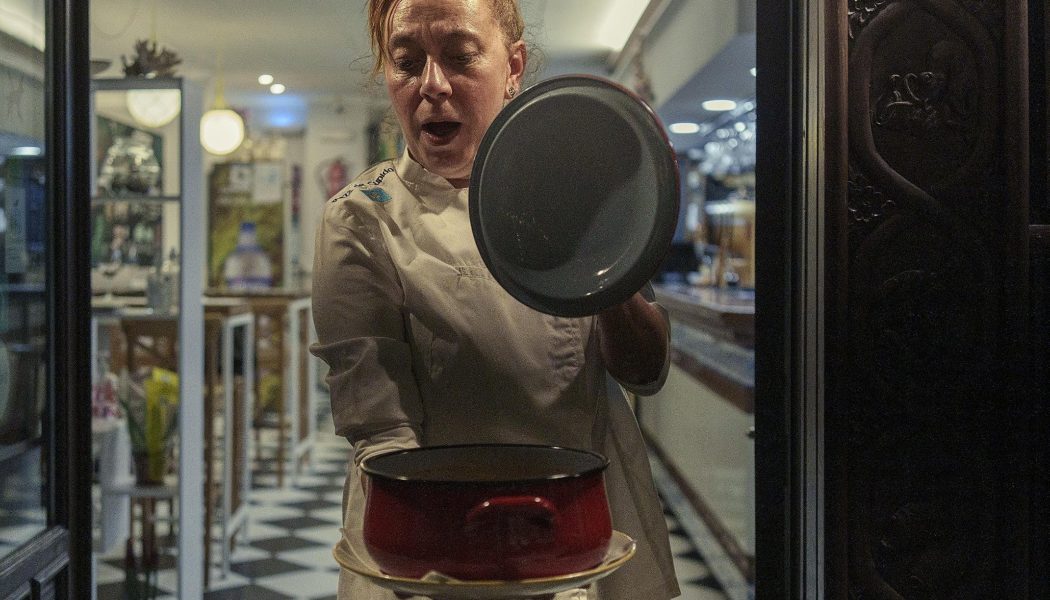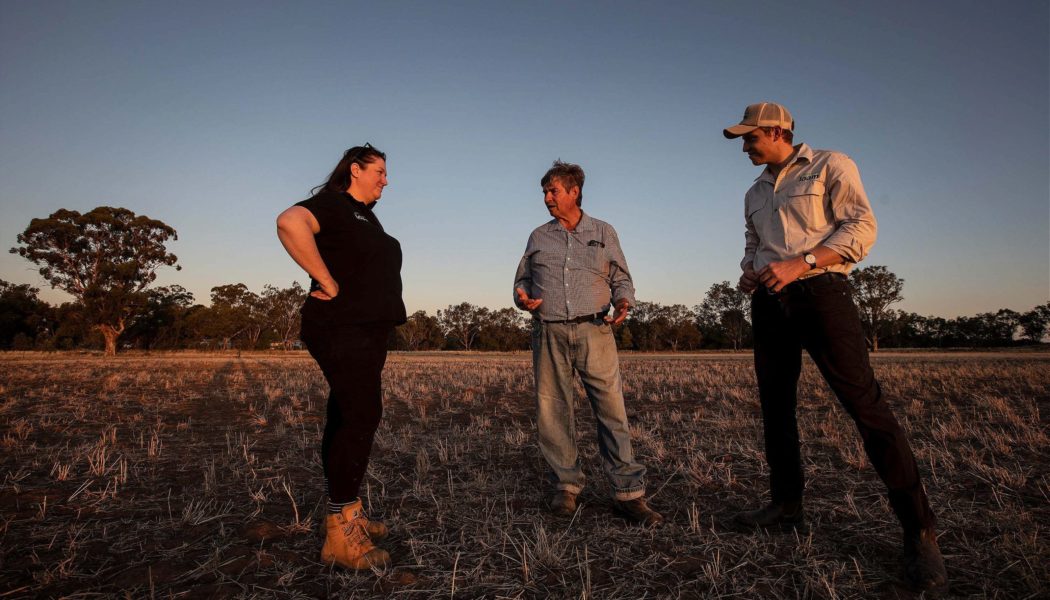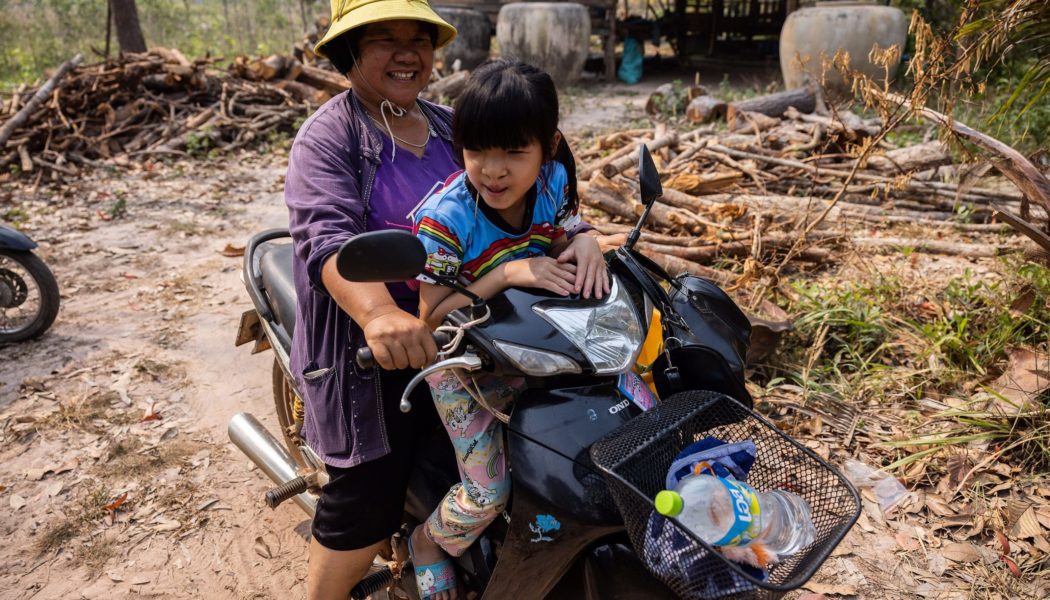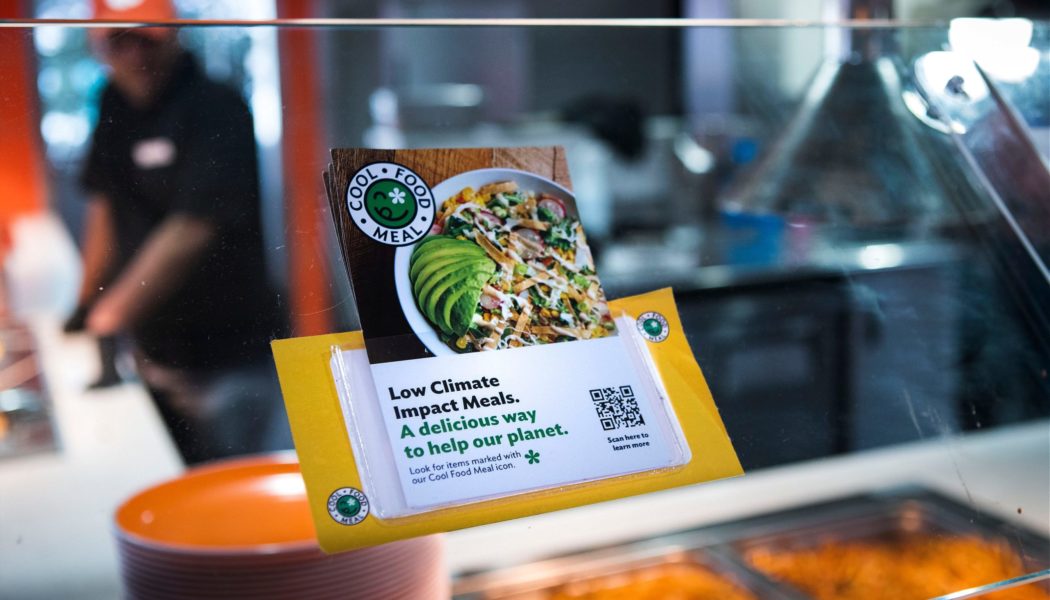
Deep in the Ecuadorian Amazon, an organization called Yakum is seeding a better, cleaner, greener future for the indigenous Siekopai SIEKOPAI REMOLINO, Ecuador— Antonio Francisco Noteno and his wife Liliana had a plan. They were going to clear the forest on their property to finally be able to make some money. They would bring a bunch of cattle up to their plot in the Amazon, and they would plant African palms for palm oil, a hugely popular cash crop in their corner of Ecuador. But in the middle of the process—they had already cleared 8 of their 20 hectares—Liliana heard a cry for help. Actually, they were both drinking yagé—better known as Ayahuasca, a psychedelic medicine sacred to many peoples in the Amazon and an important part of the Siekopai culture. In the middle of their ceremony,...
A Nigerian start-up takes on the problem of food spoilage at all steps of the production chain, one solar-powered cold room at a time. OBINZE, Nigeria— In the courtyard of Obinze Fruit & Vegetable market, haggling has peaked for the morning. Retailers, drawn from far-flung villages and suburbs of Imo state, southeast Nigeria and neighboring city of Port Harcourt, crowd the contours of the market hunting for bargains and fresh fruits. On a wood-framed table, under a trading booth made of stilts, rusty zinc, and leaky tarpaulin, dozens of vendors display lettuce, Chinese cabbage, purple cabbage, green beans, onions, cauliflower, strawberries, broccoli, and cauliflower. Three women form a semicircle—their waists draped in multicolored Ankara fabric with tiny square patterns—in...
Starting with the state’s beloved avocado, the California-based Apeel Sciences has found a natural way to extend the life of produce and reduce food waste. GOLETA, California — Balancing precariously on the 41st rung of a ladder propped on the bough of an avocado tree, an avocado picker extends a 12-foot (3.6 meter) pole and deftly strips the branches of their fruit. His right leg wrapped around two rungs, torso twisted 180 degrees, he works from branch to branch, filling the navy canvas pouch slung across his chest. He nimbly descends the ladder, which wobbles in the breeze providing fresh relief on the scorching mountainside, tugs on the cord to collapse the ladder, and maneuvers it to the next branch. He repeats the process again, and again, day after day, zigzagging across San Diego’s ...
The WonderBag is a slow-cooker designed to reduce cooking time, fuel use, and carbon emissions. It also lightens the load for women in countries where open-fire cooking and hours of unpaid labor daily falls to them. TONGAAT, SOUTH AFRICA— Maita Usai was asleep when the floods came. “Maita,” her husband Cuthbert whispered, shaking her awake. “There’s water coming into the house.” It was around 11 p.m. on April 12, and the couple had gone to bed to the sound of rain falling thick and fast against their tiled roof. Presenters on the evening news had warned of the worst flooding in four decades in KwaZulu Natal, the province of lush green rolling hills that hugs South Africa’s eastern Indian Ocean coastline. The rains were being made worse, experts were saying, by climate change, w...
How a 141-year old waste management company is pioneering the recycling—rather than mining–of phosphorus and other resources we need to keep feeding the world. UPPSALA, Sweden— The person who discovered phosphorus was hoping to find something else. In Hamburg in 1669, the self-styled chemist Hennig Brand was, like many of his peers at the time, trying to turn base metals into gold. Believing that the human body was the key, he boiled large amounts of urine and heated the residue, eventually producing a white, waxy substance that glowed in the dark. Brand called his discovery phosphorus, from the Greek for “light-bearer.” (He later sold his supply for 200 thalers—about $13,300 in today’s money—when he needed some cash.) For more than a century phosphorus was made through this method, for ex...
United States-based fast casual restaurant chain Chipotle has started an online game which will give customers the chance to win more than $200,000 in crypto. In a Monday announcement, Chipotle said that, through July 31, fans would be able to play its “Buy The Dip” game using their rewards accounts. The company will give away $45,000 in Bitcoin (BTC), $10,000 in Ether (ETH), $13,750 in Solana (SOL), $14,250 in Avalanche (AVAX) and $14,250 in Dogecoin (DOGE) via the game. “We want to build the next generation of Chipotle fandom by connecting with the Web3 community,” said Chipotle chief marketing officer Chris Brandt. Free crypto giveaway? — Chipotle (@ChipotleTweets) July 25, 2022 The restaurant chain gave away $100,000 in BTC in April 2021 as part of a promotion for National Burrito Day....
The Los Angeles Times reported Friday that recently opened NFT-themed burger joint Bored & Hungry no longer accepts cryptocurrency as a form of payment for its food. When questioned, one Bored & Hungry employee told the Los Angeles Times “Not today — I don’t know.” The individual didn’t give any indication of when the decision was made to cut crypto from the menu of payment options, nor did they know if crypto payments would be making a return. Bored & Hungry initially launched back in April of this year. At the time, one worker told the Los Angeles Times that the majority of its customers didn’t seem to care about crypto payment options, also noting that customers were generally indifferent to “the restaurant’s fidelity to the crypto cause.” Another Bored & Hungry restaura...
The Canadian restaurant franchise Tahini’s serves Middle East-inspired food with a Bitcoin-inspired twist. Since August 2020, when the price of Bitcoin (BTC) was under $20,000, the group has operated on a Bitcoin standard, with any profits it makes swept into BTC. The Tahini’s Twitter account has since argued that Bitcoin is the “most Islamic” thing Muslims can do with their wealth, and the group educates its customers on sound money. It has even become a niche bear market meme, with Michael Saylor famously saying he might apply to work night shifts at Tahini’s during January’s price correction: May apply for night shift at @TheRealTahinis to stack more sats. #NewProfilePic pic.twitter.com/ZrirLojvrq — Michael Saylor⚡️ (@saylor) January 23, 2022 Coin...
A new proof of concept decentralized autonomous organization, or DAO, called FriesDAO wants to democratize access to the fast food industry. Cointelegraph spoke to FriesDAO advisors Brett Beller and Bill Lee about their mission to be a “part of something that will connect crypto and virtual ownership to real-world assets.” FriesDAO aims to acquire and scale fast food restaurant franchises like Popeye’s, Burger King and Taco Bell by inviting FRIES token holders to run a decentralized network of Quick Service Restaurants, or QSR. Starting with Subway franchise owners, the FriesDAO team hopes to guide their partners about the blockchain space. What “started as a joke” turned into a serious proposition when they realized there “was a hole for people that were ready to run...
When he’s not designing merch for the NBA or supplying coffee for big retailers, Shawn Kurz is fighting world hunger with the help of blockchain technology. Motivated to mend the shortcomings of traditional charity systems, Kurz founded FoodChain Global (FCG), an organization that uses a blockchain-based ecosystem to support charitable initiatives targeting global hunger. Enlisting the help of Cody Boyd, a former military systems engineer, to lead a blockchain development team, FCG has launched digital asset products such as FoodChain Global token (FOOD) and nonfungible tokens (NFT) and uses the profits to supply food to food banks. Kurz told Cointelegraph that the project aims to bring the fight against global hunger to younger generations. The team aims to continuously ...
Prominent crypto entrepreneurs and supporters, who shared memes on Twitter about doing odd jobs amid an ongoing market crash, were joined by global fast-food giant McDonalds — the brand infamously linked with temporary Bitcoin (BTC) market crashes. BTC’s price has seen a steady downfall ever since breaching an all-time high of $69,000 back in November 2022. Eventually, as Bitcoin started trading below the $40,000 mark, crypto millionaires and investors on Twitter started sharing memes about getting jobs at fast-food restaurants. Source: Twitter/PlanB Salvadoran President Nayib Bukele, too, embraced the meme culture and uploaded a new profile picture that shows him at one of his speeches sporting a badly photoshopped McDonald’s branded cap and T-shirt. #NewProfilePic pic.twitter....
More than a year after a Canada-based Middle Eastern restaurant chain converted its fiat cash reserves into Bitcoin, the owner reported the move helped save the business during the pandemic. According to a Tuesday report from Canadian news outlet Toronto Star, when Tahini’s restaurant owners Aly and Omar Hamam and their cousin Ahmed decided to convert the company’s savings into Bitcoin (BTC) in August 2020 because it offered “a much better alternative to saving cash,” the price of the crypto asset was roughly $12,000. Aly Hamam reported the business had benefited from the initial crypto investment. “We made the move to the corporate balance sheet on a Bitcoin-standard back in August of 2020, and since then, we’re up more than 300 percent on our initial investment,” said Hamam. “It’s really...