

IRS


US lawmakers reintroduce bill to stop IRS from taxing crypto transactions under $200
A bill previously introduced by Washington Representative Suzan DelBene aims to exempt crypto users from paying taxes on transactions under $200. According to a Tuesday draft of the Virtual Currency Tax Fairness Act of 2022, Washington Representative Suzan DelBene is seeking to amend the Internal Revenue Code of 1986 to exclude gains from certain personal transactions of virtual currency. If signed into law, the bill could stop the Internal Revenue Service, or IRS, from requiring U.S. filers to pay taxes on capital gains from crypto transactions of $200 or more. “Antiquated regulations around virtual currency do not take into account its potential for use in our daily lives, instead treating it more like a stock or ETF,” said DelBene. “Virtual currency has evolved rapidly in the past few y...


IRS special agent: Crypto’s the future but there are ‘mountains of fraud’
A top special agent from the Internal Revenue Service has told a conference that NFTs and crypto are the “future” but highlighted that fraud and manipulation is still rampant in the space. Ryan Korner from the IRS Criminal Investigation’s Los Angeles field office made the comments virtual event held on Tuesday by the USC Gould School of Law, Korner. Bloomberg reports Korner said: “We’re just seeing mountains and mountains of fraud in this area.” He told the event the IRS CI division acknowledges the significant growth of the crypto sector, but noted that the usage of digital assets has not been limited to payments and trading. He outlined various illicit behaviors such as fraud, including money laundering, market manipulation and tax evasion. Korner highlighted market manipulation in parti...

Here’s why Ethereum traders could care less about ETH’s current weakness
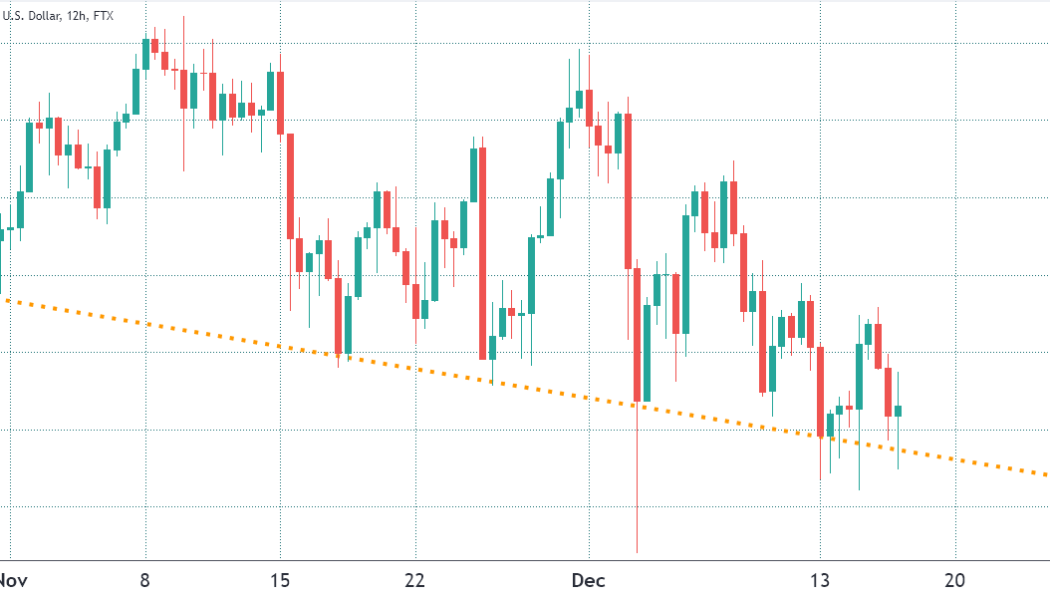
Since hitting an all-time high at $4,870 on Nov. 10, Ether (ETH) price has been posting lower lows over the past 50 days. If this downtrend continues, the lower trendline support suggests that the altcoin will bottom at $3,600. Still, derivatives data is signaling that pro traders are not concerned about the seemingly bearish market structure. Ether/USD price on FTX. Source: TradingView Notice how the price peaks are getting lower on the 12-hour time frame as mounting regulatory concerns drive investors away from the sector. In a press conference on Dec. 17, Russia’s Central Bank governor, Elvira Nabiullina, stated that banning crypto in the country is “quite doable.” Nabiullina cited crypto’s frequent use for illegal operations and significant risks for retail inve...


The U.S. Government Is Suing Ja Rule For $3 Million in Unpaid Taxes
HipHopWired Featured Video Source: Cassidy Sparrow / Getty Looks like Ja Rule is once again about to take on the United States government as the IRS is zeroing in on the former face of Murder Inc. Radar is reporting that the Queens rapper allegedly owes Uncle Sam over $3 million in federal taxes. Really?! When he’d start making millions like that again?! (no shots). According to the lawsuit filed by lawyers representing the United States of America, the artist born Jeff Atkins owes $3,139,237.76 for royalties made in 2005-2010 and 2012-2017. The breakdown is $357,421.23 (2005), $518,700.88 (2006), $348,087.49 (2007) $267,193 (2008), $198,817.99 (2009), $47,901.53 (2010), $128,926.37 (2012), $116,720.65 (2013), $229,577.62 (2014), $212,270.42 (2015), $526,431.46 (2016) and $187,188.52 (2017...



IRS Says Prince’s Estate Undervalued by $80 Million, Owes $32.4 Million in Taxes
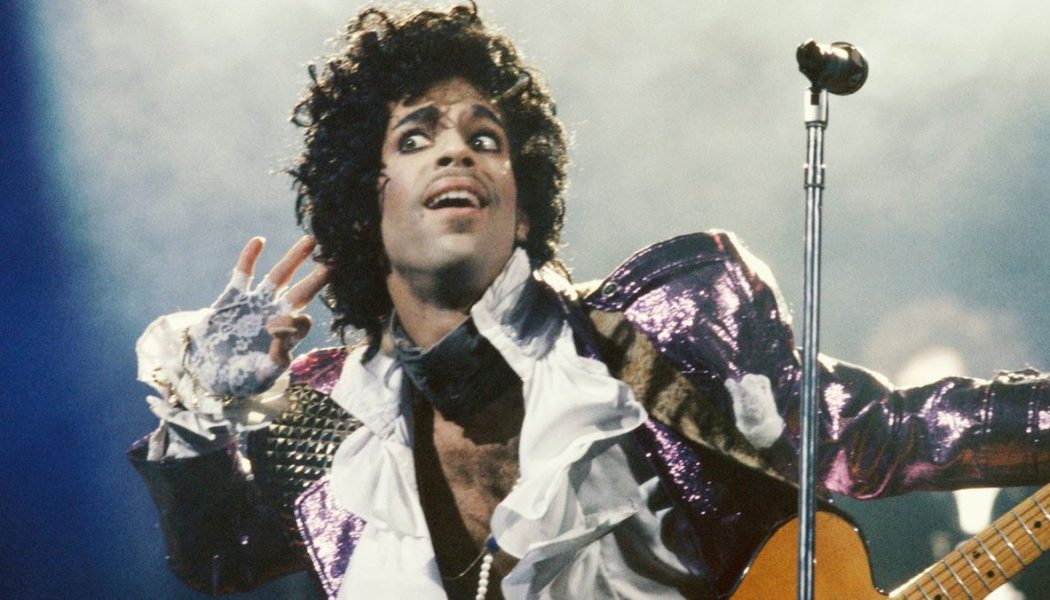
When Prince died in 2016, he not only left a massive hole in the world of entertainment, but a complicated financial situation. The rock legend left no will, leaving it to his estate to wade through some messy legal waters. Now, the IRS has said the executors of Prince’s estate undervalued it by over $80 million and owe a substantial sum in federal taxes. As NBC News reports, the IRS has determined Prince’s estate to be worth $163.2 million — nearly double the $82.3 million valuation put forth by the estate. Court documents put the balance of the discrepancy largely on music publishing rights and “recording interests.” As a result, the IRS is seeking an additional $32.4 million in federal taxes, as well as a $6.4 million “accuracy-related penalty” for “substantial” assets undervaluation. C...
- 1
- 2
