

Production


Wheat farmers bemoan $6.1 billion annual import, laud CBN restriction on forex for importers
The Wheat Farmers Association of Nigeria (WFAN) says about $6.1 billion is spent yearly to import wheat into Nigeria. The President of the association, Alhaji Salim Muhammad, made this known at a news conference on Wheat Forex in Abuja on Thursday. Muhammad commended the Central Bank of Nigeria (CBN) over the policy that placed wheat on Forex restriction. He described it as an impressive policy and a welcome development. According to him, Nigeria consumes 5 million metric tons of wheat per annum, while a meagre 420,000 tons is produced locally. He said that in view of numerous challenges that plagued local production, the policy would enable the government to unlock the unrealised potentials in the wheat sub-sector. “The forex restriction policy will give relevant stakeholders the confiden...

DPR: We’ve accurate record of crude production
File Photo The Department of Petroleum Resources (DPR) on Friday debunked claims that the exact volume of crude oil produced in the country was not known. Mr Paul Osu, Head, Public Affairs, DPR, in a statement issued in Lagos, said every litre of crude produced in the country was adequately captured during the process of extraction. Osu said it was the responsibility of the DPR to monitor and account for crude oil production as basis for determining government’s revenue through royalty payments by operators for sustainable development. He said: “As a further step to boosting crude accounting process from production to export, DPR recently launched the National Production Monitoring System (NPMS). “NPMS is an online platform for direct and independent acquisition of production data from oil...


Analysts: Printing currency could hurt economy
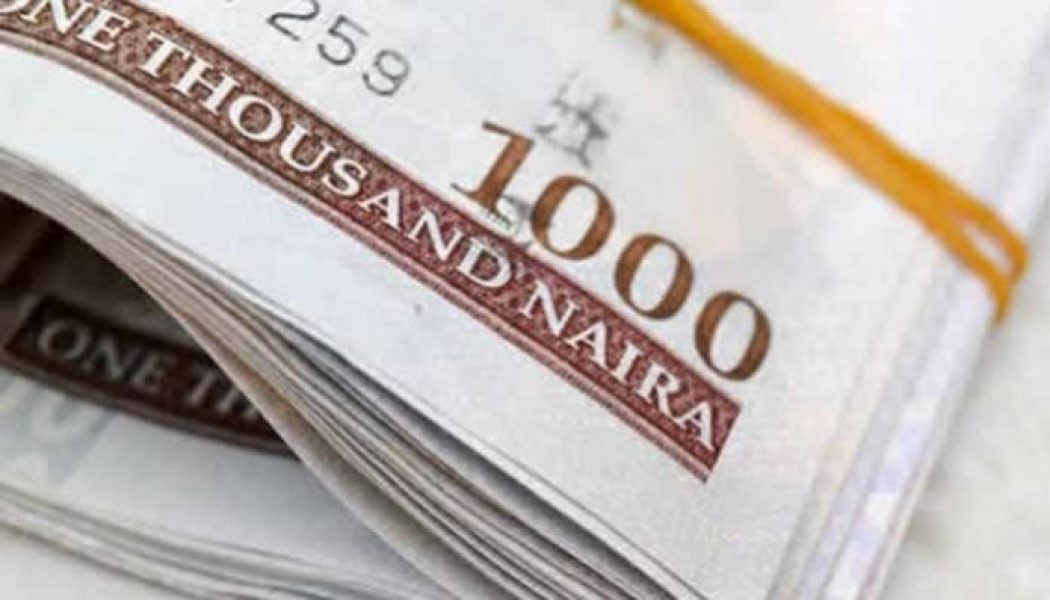
Analysts have expressed concerns over a recent claim that the federal government resorted to printing money to augment the monthly allocation to the three tiers of government, warning that it could heighten inflationary pressure with dire consequences for the country’s exchange rate and economy. The analysts, in separate interviews with newsmen, warned that a sustained policy of printing the currency, if not well managed, would hurt the economy. The concern came on the heels of recent revelation by Governor of Edo State, Mr. Godwin Obaseki, that due to the dwindling revenue in the face of declining oil revenue arising from the growing sources of alternative sustainable energy, the federal government had to print money to augment the amount available for sharing by the federal, state and lo...


Ethiopia, Egypt and Sudan launch new Nile dam talks in DRC
A new round of African Union-mediated talks between Ethiopia, Egypt and Sudan has begun aimed at resolving a years-long dispute over a massive dam built by Addis Ababa on the Blue Nile, a main tributary of the Nile river. The three-day talks that kicked off on Saturday are taking place in Kinshasa, the capital of the Democratic Republic of the Congo, the current chair of the AU. Foreign and irrigation ministers of the three nations were attending the talks over the Grand Ethiopian Renaissance Dam (GERD), along with AU experts, according to Ethiopia’s Irrigation Minister Seleshi Bekele. A Sudanese diplomat was quoted as saying by The Associated Press news agency that the experts from the three countries and the AU met on Saturday, ahead of ministers who would meet on Sunday and Monday. He s...


Governor El-Rufai urges federal government to increase frequency of Abuja-Kaduna trains
The governor of Kaduna state, Nasir el-Rufai, has urged the ministry of transportation to increase the frequency of trains plying the Abuja-Kaduna rail line. The governor spoke on Thursday when Gbemisola Saraki, minister of state for transportation, and the management of the National Institute of Transport Technology (NITT) paid him a courtesy visit in Kaduna. He said the increase will help to check overcrowding as the trains are “always fully booked”. “There are areas of constraints with the COVID-19 pandemic, but I think that the way our figures are going down with the rollout of the vaccination, there are going to be far more movements within the country, and particularly on that route,” he said. “So, we would like the ministry to consider increasing the frequencies and completing the p...

Minister: 60% of dairy products consumed in Nigeria imported
Nigeria imports at least 60 per cent of dairy products the country consumes, the Minister of Agriculture and Rural Development, Sabo Nanono, has said. Mr Nanono disclosed this when speaking at the National Dairy Policy Stakeholders Engagement in Abuja on Tuesday. He said, “Despite the potentials in the dairy industry, 60 per cent of dairy products consumed in the country is imported while the remaining 40 per cent is produced locally.” The minister said Nigeria’s per capita consumption of milk is 8 litres per year, representing very low consumption levels when compared with the global average of 44 litres of milk, according to the Food and Agriculture Organisation of the United Nations (FAO). According to him, presently, the Nigerian dairy industry is largely subsistence and consists of lo...

Minister tasks NSDC boss on ensuring self-sufficiency in sugar production
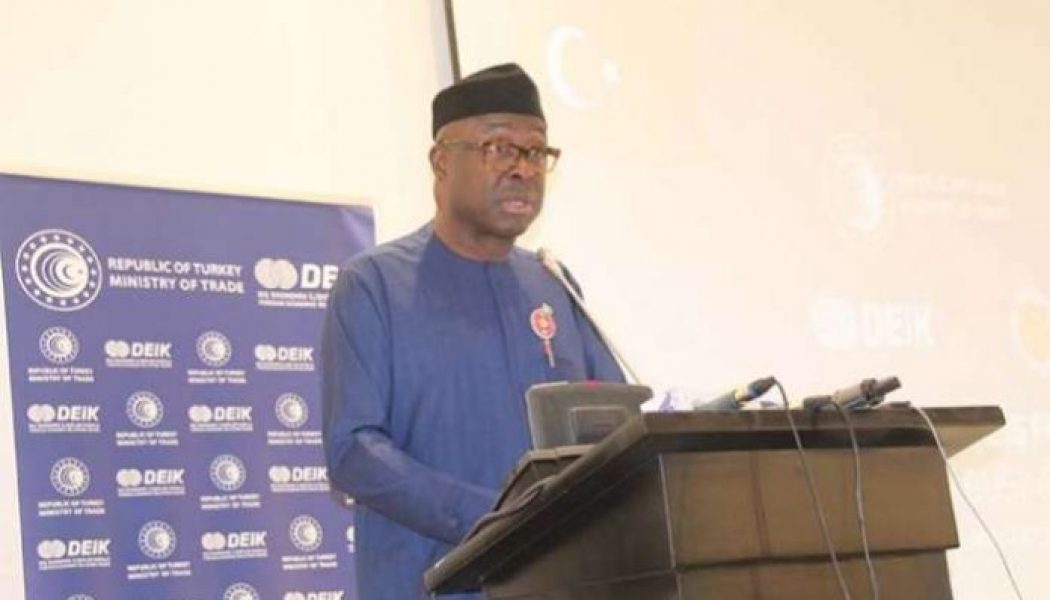
Otunba Adeniyi Adebayo, Minister of Industry, Trade and Investment, has tasked the newly appointed Executive Secretary of the National sugar Development Council (NSDC), Zach Adedeji to work towards the realisation of the Federal Government’s goal in ensuring self-sufficiency in sugar production. Speaking at the inauguration of Adedeji as the Chief Executive Officer of the NSDC at the weekend in Abuja, Adebayo said the Federal Government relied on him to work assiduously towards the realisation of the country’s self sufficiency in the sugar production. He noted that the appointment of Adedeji was based on his performance in his former positions, adding that the nation expected him to leave landmark achievements by the time he would be leaving office. “You are therefore expected to discharge...

WHO urges fairness in coronavirus vaccine access for Africa
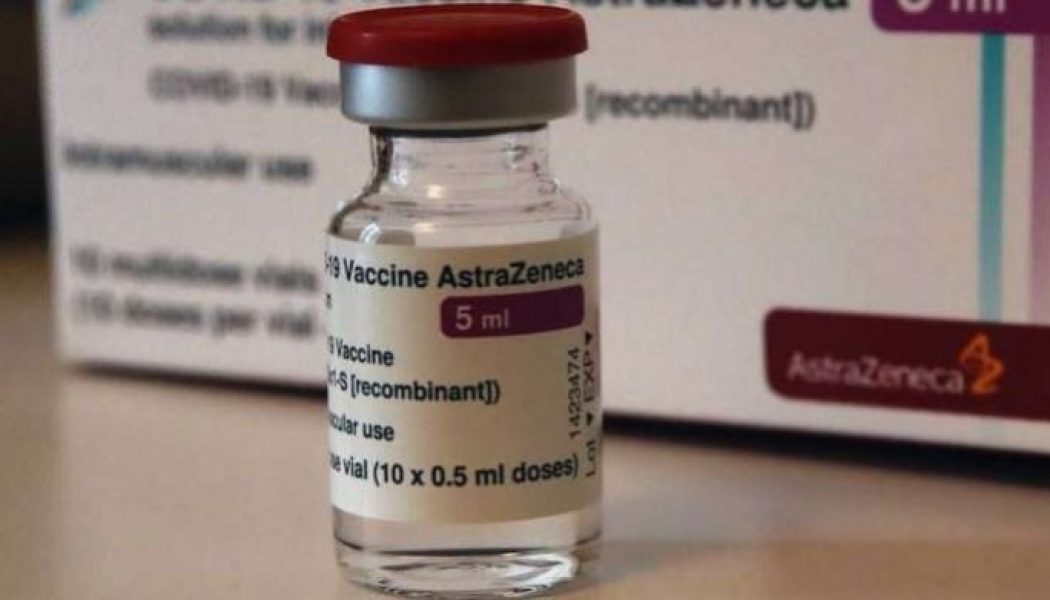
The World Health Organization (WHO) has called for fairness in access to Covid-19 vaccines to widen the reach in Africa. The WHO said on Thursday that while vaccines had been delivered through the global partnership Covax, current global supply constraints could mean a critical proportion of people remain unvaccinated for months. “While some high-income countries are seeking to vaccinate their entire populations, many in Africa are struggling to sufficiently cover even their high-risk groups,” said Dr Matshidiso Moeti, the WHO regional director for Africa. “Acquiring Covid-19 vaccines must not be a competition. Fair access will benefit all and not just some of us,” his statement added. The WHO said vaccine doses have not yet arrived in 10 African countries. So far, the continent has admini...

UN official highlights values of water in fighting coronavirus pandemic
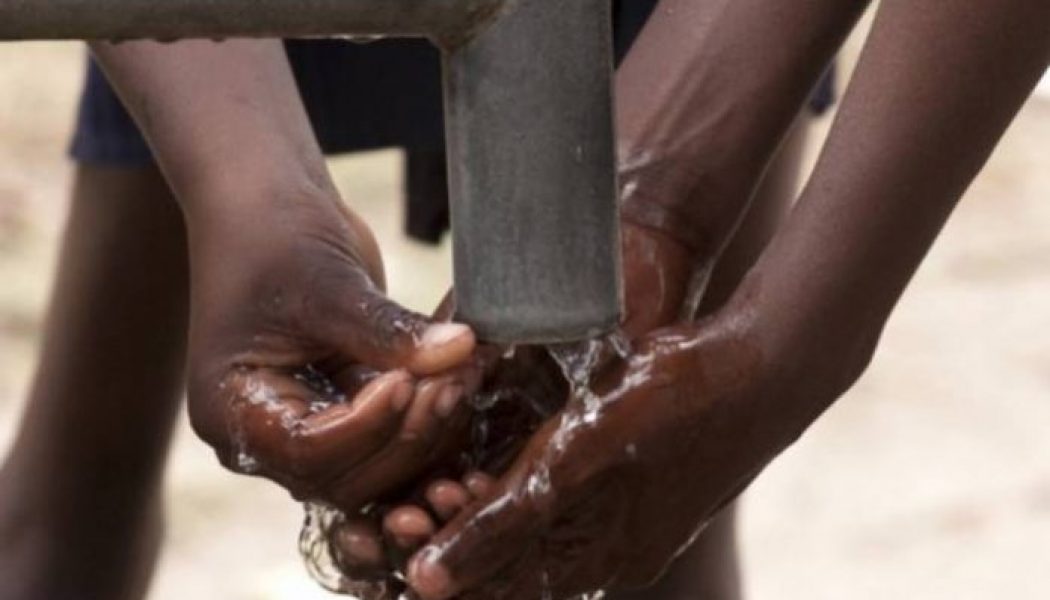
Water has many values that are just not priced, Sasha Koo-Oshima, the Deputy Director, Land and Water Division, UN Food and Agriculture Organisation (FAO), told Xinhua ahead of the World Water Day on March 29. The official highlighted that with the coronavirus (COVID-19) pandemic, a large part of the world population still lacks access to handwashing facilities at home. “This is the first line of defence against this virus and the value of water is very evident in this progression. “The first thing we realised is handwashing. Many countries just don’t have clean water to even just wash hands,” she said. The UN on Monday warned that more than two billion people do not have direct access to water, the “blue gold” which is essential in defeating the pandemic. In its World Water Development Re...


Ekiti governor’s wife calls on government to remove tax on sanitary pads
The wife of Ekiti State Governor, Mrs Bisi Fayemi, has called on government to remove taxation on sanitary pads and engage in its local production to make it less expensive. She said this on Thursday at the inauguration of project P4iGC3, Pad for Improved Girl Child Education, by Balm in Gilead Foundation For Sustainable Development, BIGIF in Ado-Ekiti. Mrs Fayemi explained that such government’s policy was needed to promote the girl-child upbringing and keep them in school. “In rural areas, women do not have access to sanitary products. It is safe to say that one in every three girls in the country cannot afford safe and hygienic sanitary pads for proper menstrual hygiene management” she said. She also called for the sensitisation of adolescent girl child on menstrual health management to...


Activist asks court to compel Kano, others to refund VAT generated from alcohol
An Abuja-based activist, Sesugh Akume, has filed a suit before a Federal High Court in the nation’s capital, asking it to compel states that outlawed the sale of alcohol to refund the sums received through Value Added Tax imposed on alcoholic beverages. About 12 states practise Sharia law in Nigeria. They are Kano, Kaduna, Katsina, Kebbi, Sokoto, Borno, Yobe, Jigawa, Bauchi, Gombe, Zamfara and Niger. Based on Sharia law, some of the states prohibit the sale of alcoholic beverages and usually hold public events where bottles of alcoholic drinks are destroyed while gambling is also illegal. However, all the states receive VAT collected from alcoholic beverages sold in other states that permit the sale of the product. In an originating motion brought pursuant to Section 1(3), 4(5), 162(3), (4...
