

tech news


Twitter Flags Tweets Unrelated to 5G or COVID-19 as Misleading
Image sourced from Mission Statement Academy Twitter has confirmed that a number of tweets – unrelated to conspiracy theories surrounding COVID-19 and 5G – were flagged as misinformation. And now the social media platform says that it will do more to improve how it labels content. “In the last few weeks, you may have seen Tweets with labels linking to additional info about COVID-19,” tweeted Twitter Support. “Not all of those Tweets had potentially misleading content associating COVID-19 and 5G. We apologize for any confusion and we’re working to improve our labelling process.” Our policies prohibit sharing false or misleading content related to COVID-19, as this could lead to harm. More on this: https://t.co/h8rRHrn2xj (2/4) — Twitter Support (@TwitterSupport) June 26, 2020 According to T...

How to RICA a Sim Card Using Vodacom’s ChatBot TOBi
With social distancing as the new norm, one of the most innovative and convenient ways to Self-RICA is through TOBi – Vodacom’s chatbot and trusted self-service team member – which allows existing Vodacom customers to RICA prepaid SIMs from the comfort of their own homes. Since the Regulation of Interception of Communications and Provision of Communication-Related Information Act (RICA) came into effect in 2011, Vodacom is said to have been working on ways to simplify the process, making it as quick and efficient as possible. Traditionally customers would have to visit a store and present some form of identification, proof of residence and the SIM card. Now customers simply need to take a picture, scanning a new prepaid SIM card, an ID document or passport for foreign nationals and then re...

Deleted an Important Document by Mistake? Microsoft’s New File Recovery Tool Might Help
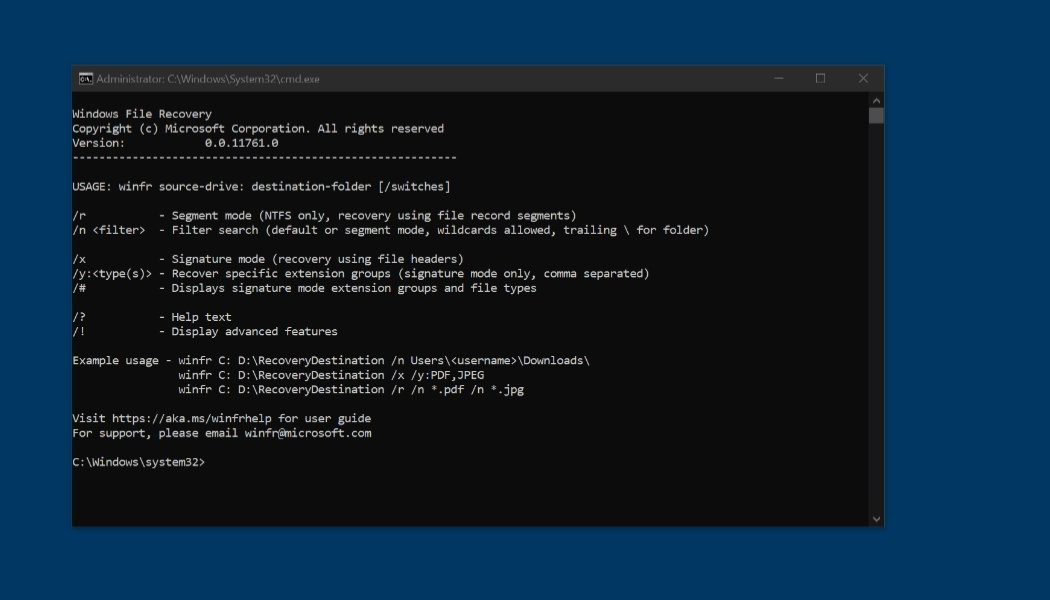
Sourced from The Sun UK. Microsoft has quietly launched a new utility service – Windows File Recovery for Windows 10. While this service may be an important boon for users who have been struggling for years to use an application to quickly and efficiently recover permanently deleted files, it comes with a rather large catch. The entire utility, Windows File Recovery, as of right now runs only on the Window’s Command shell, and it’s only available from the Microsoft Store. Windows File Recovery. Sourced from Thurrott. “Accidentally deleted an important file? Wiped clean your hard drive? Unsure of what to do with corrupted data? Windows File Recovery can help recover your personal data,” the store listing for the app states. /* custom css */ .tdi_3_513.td-a-rec-img{ text-align: left; }.tdi_3...

Facebook’s Dark Mode is Now Being Tested on Mobile
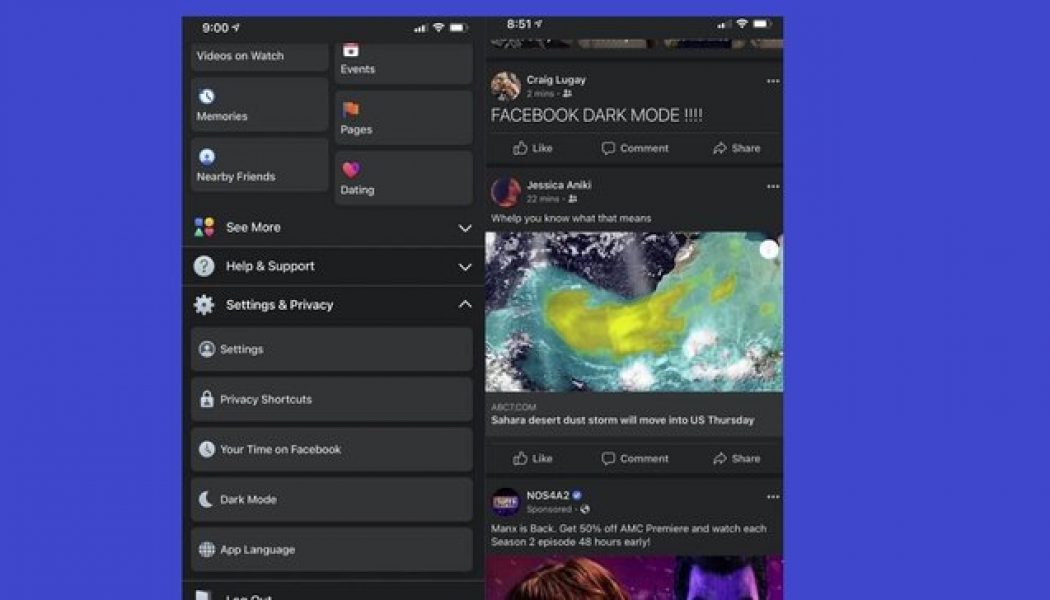
Sourced from The New York Times Social media colossus Facebook has confirmed that some of the platform’s users are now able to switch to dark mode on their mobile app. So I have dark mode on Facebook now. 😍 #darkmode #facebook #iOS14 pic.twitter.com/AuC5uYoMJ2 — 🐍🏀💜💛 (@NotFridayCraig) June 26, 2020 These users have begun to post their reactions to the new dark mode on Twitter, showing off screenshots of the new UI. The option is now appearing in the ‘Settings & Privacy’ section of the mobile app of certain users. Facebook has said that, while they have only started rolling out dark mode for mobile users, as of right now the mode is only available for a “small percentage of users globally,” according to Social Media Today. /* custom css */ .tdi_3_...

Reddit Bans Popular Donald Trump Subreddit for Hate Speech
The popular subreddit r/The_Donald, home to many Donald Trump supporters and one of the nastiest, most unwelcoming places on the Internet for years, is officially no more. The virtual hive for MAGA fanatics has been banned by the higher-ups at Reddit due to newly defined hates speech guidelines. Reddit’s updated anti-hate speech measures led to the shut down of nearly 2,000 other subreddits, including r/darkhumorandmemes, r/gendercritical, and r/wojack. All had allegedly been in violation of the site’s updated content policy page, which declares that subreddits and users who “incite violence or that promote hate based on identity or vulnerability will be banned.” The new policies are a huge about-face for a website that long resisted calls to police even its most egregious content und...
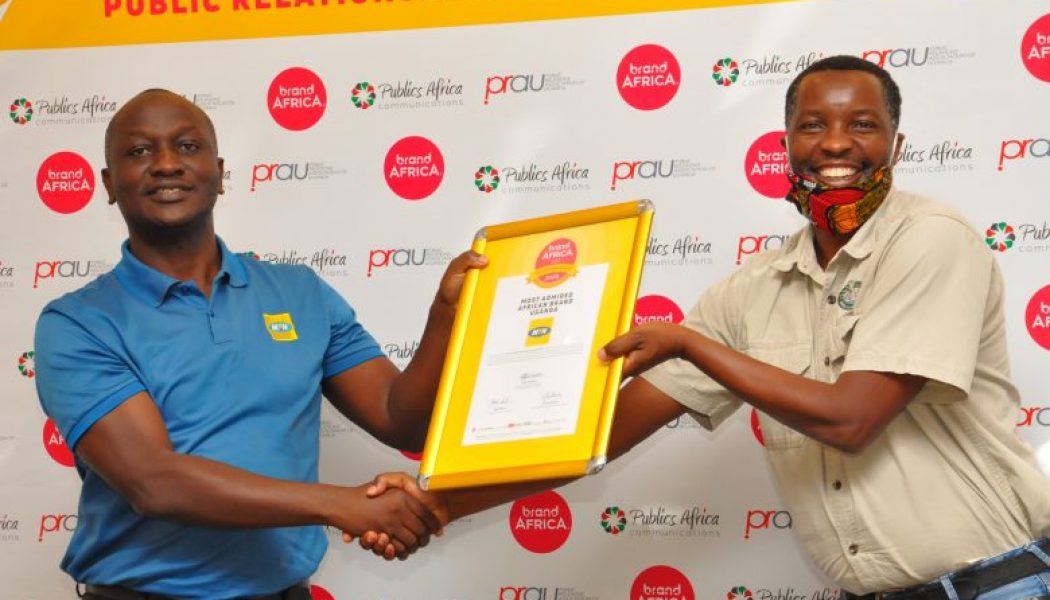

MTN is Recognised as Most Admired Telecom Brand in Uganda
Image sourced from Pinterest. MTN has been recognised as the Most Admired Telecom Brand in Uganda by Brands Africa in the 2020 Africa’s Best Brands Survey which is conducted across 27 countries on the continent. “This award is an endorsement of our efforts towards keeping every Ugandan connected,” says Joseph Bogera, MTN Uganda’s GM of Sales and Distribution. “I would like to thank all our customers and communities for the trust that they have shown in us. It encourages us to work harder every day to deliver on our belief that everyone deserves the benefits of modern connected life.” MTN reaches 100 million active user milestone MTN Uganda’s announcement comes hot on the heels of the group’s overall impressive performance across the African continent. Just last week, MTN Group a...

Mark Zuckerberg Down $7 Billion as Huge Companies Continue to Boycott Facebook
Image sourced from Inc Facebook’s stock price is being hammered by a massive boycott of the social media giant’s major advertisers. CEO Mark Zuckerberg’s personal wealth is also feeling the brunt of the stand-off. As of Saturday last week, Zuckerberg’s net wealth is down around $7 billion, while Facebook’s share price dropped by more than 8% at the close of trading on Friday. Advertising is Facebook’s largest source of income, with the company making $17.4 billion in ad sales alone in the first three months of 2020. Coca-Cola Backs #StopHateforProfit /* custom css */ .tdi_3_83f.td-a-rec-img{ text-align: left; }.tdi_3_83f.td-a-rec-img img{ margin: 0 auto 0 0; } Soft-drink juggernaut Coca-Cola is one of the latest brands to halt all of its social media advertising, backing the #StopHateforPr...


HealthTech Startups in Africa Reach All-Time High
Sourced from Getty Images. There are currently 180 actively operating health-tech focussed startups across the African continent, according to the High Tech Health: Exploring the African E-health Startup Ecosystem Report 2020 report, released by Disrupt Africa. According to the report, this number of startups has grown by 56.5 per cent over the last three years and has seen significant investment despite the COVID-19 pandemic as more than half of all funding to have gone into the space in the past five years was transacted in the first half of 2020. So far this year, e-health startups have raised over US$90 million. “Interest in the e-health space in Africa has accelerated in the last 18 months, and with the advent of the COVID-19 pandemic, there is a sudden spotlight on e-health startups,...
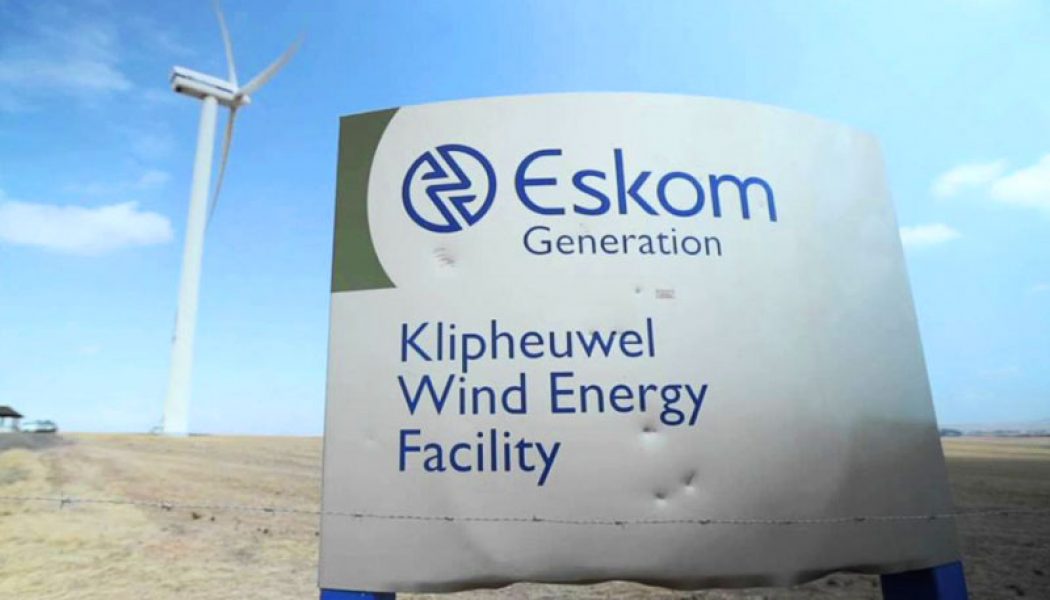

Indebted Eskom Turns to Sukuk Market for Funding
Sourced from REVE South Africa’s embattled national power utility Eskom has new plans to issue a $58 million (R1 billion) sukuk bond in a bid to diversify funding sources as borrowing costs rise. According to spokesperson Sikonathi Mantshantsha, Eskom has appointed a new lead arranger “to work towards establishing timelines for the issue.” The power utility currently has over R450 billion in debt and has yet to announce further plans to ask the South African governments for additional capital injections. What is a sukuk? According to IOL, a sukuk is a Shariah-compliant investment and an attractive alternative to conventional bonds. For all intents and purposes a sukuk – Arabic for ‘investment certificate’ – is issued for the purpose of raising money for utilisation within a corporation or ...

TymeBank is Recognised as One of South Africa’s Top 3 Digital Banks
Image sourced from Business Tech Only 18 months after launching, TymeBank has been rated as one of the top three digital banks in South Africa by SITEisfaction. This recognition follows on the recent Forbes accolade, which claimed TymeBank as the 2nd best bank in the country its high levels of customer satisfaction and key qualities like trust, banking fees, digital services and financial advice. In the latest report, which measures customer satisfaction with digital banking services, TymeBank was recognised for the bank’s user-friendliness, safety features and affordability. The latter was particularly appreciated by those who had recently switched, with the majority saying they switched because of the bank’s extremely low transaction fees and market-leading high-interest rates on all sav...

Apple Might Ditch the Charger and EarPods When Shipping 5G iPhones
Apple may no longer include a power adapter and EarPods with new iPhones claims analyst Ming-Chi Kuo. Starting with 2020’s iPhone range, Kuo believes that Apple will ditch the accessories in an attempt to offset the cost increases that come with upgrading the iPhone range to 5G – noting that the company wants to sell the iPhone 12 at a similar price to the iPhone 11. According to 9to5mac, removing these in-box accessories will not only allow Apple to sell the device for less but it could also reduce the size of the iPhone packaging considerably, helping lower Apple’s freight costs and ultimately be better for the environment. /* custom css */ .tdi_3_f2b.td-a-rec-img{ text-align: left; }.tdi_3_f2b.td-a-rec-img img{ margin: 0 auto 0 0; } It’s not yet clear if Apple plans to include the ...

A Future Reimagined for African Economies Post-COVID-19
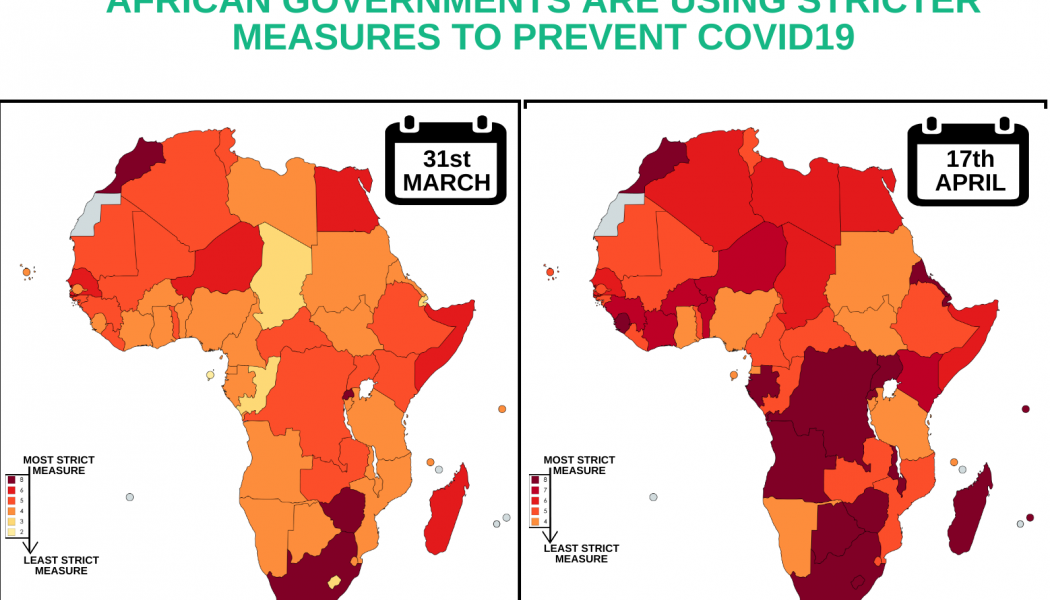
The COVID-19 pandemic has crippled African economies but also offers an opportunity to reinvent economic systems on the continent and make small businesses more resilient, says VP and Senior Director for Economic Growth at Creative Associates International’s. “We are seeing digital solutions and transformation and awareness among political and business leaders that we can do things now that maybe we didn’t even imagine before,” Creative’s Jim Winkler says. “The pandemic has woken us up.” Speaking at the Corporate Council on Africa (CCA)’s Leaders Forum, Winkler explains that traditional global supply chains were highly efficient, but also vulnerable to a shock-like COVID-19, leaving producers in Africa with no way to sell their products amid the pandemic. Winkler says an “unexpected silver...
