

I
If, when you think of Europe, the idea of a gastronomic capital that comes to mind is still Paris, it may be time to take a closer look at Madrid. Since the pandemic, the Spanish capital has been experiencing a rapid surge in new restaurant openings, with bold, inventive concepts; the kind of momentum that might make even the most historically established food cities a little envious. (Roads & Kingdoms co-founder Matt Goulding noted as much a few years ago, pointing to a shift that has only accelerated since).
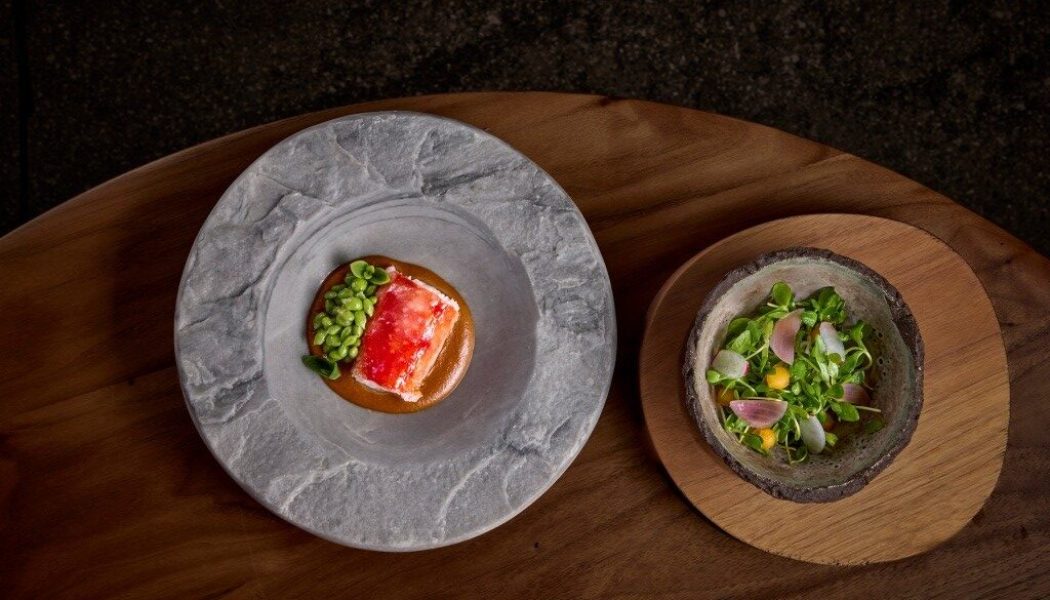
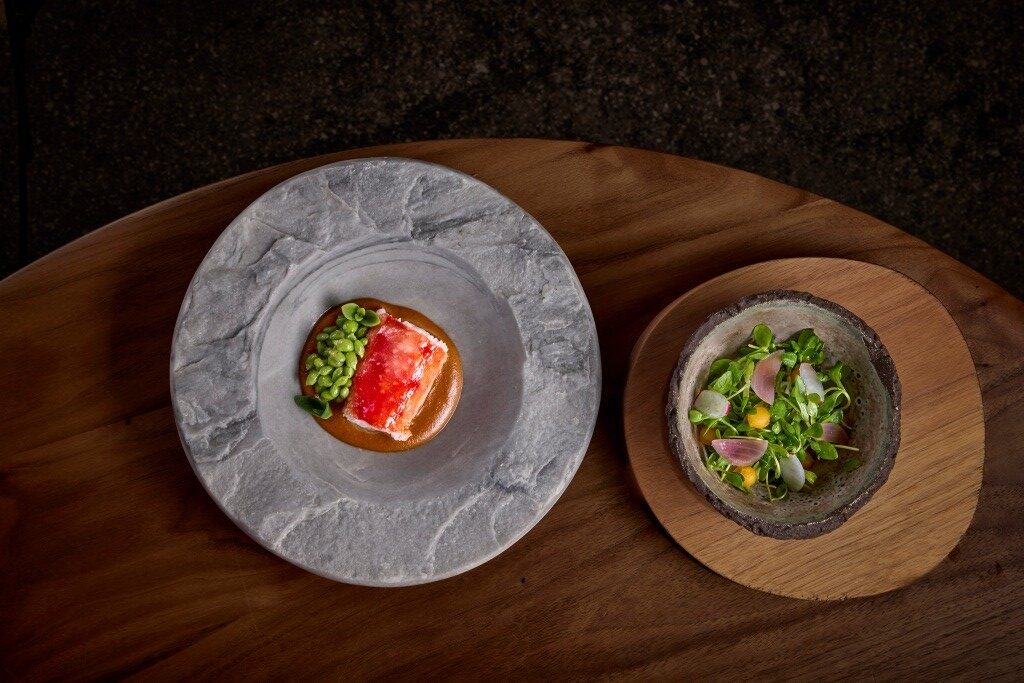
One particular Madrid restaurant, Desde 1911, is drawing so much attention that reservations can take up to six months these days. “I can’t quite explain what happened,” admits chef Diego Murciego. But it’s worth trying to understand why so many people are trying to eat here—and why, if you’re planning a trip to Madrid, you probably should too.
Part of the well-known Pescaderías Coruñesas group, one of Spain’s most respected seafood suppliers, the restaurant is both a tribute to family legacy and a reflection of a business that dates back to 1911 (hence the name). Over the decades, it has helped turn Madrid, with no coastline, into one of Europe’s most reliable cities for exceptional seafood?