

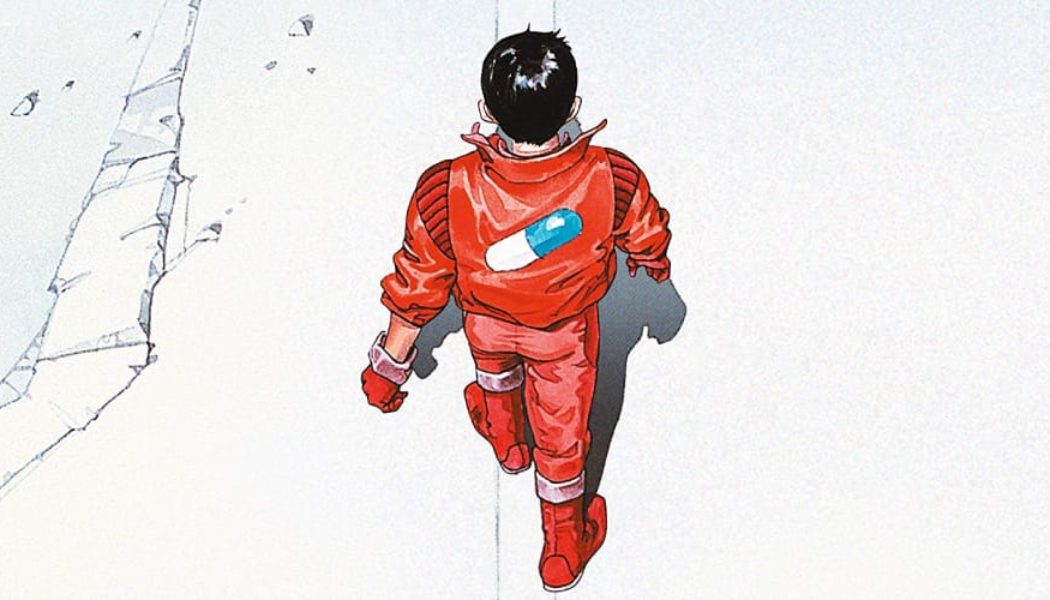
In 1988, Katsuhiro Otomo built a psychological labyrinth. Nearly four decades later, Akira remains the gold standard for cinematic world-building — a visceral, hand-painted fever dream of urban decay and god-like ascension. To step into Neo-Tokyo is to witness a civilization vibrating at the frequency of its own collapse.
The film’s brilliance lies in its sheer technical audacity. Even in 2026, the fluid, high-frame-rate animation of light trails slicing through the dark remains unmatched. There’s a weight to the world, a sense that every skyscraper and sewer pipe was rendered with a specific, agonizing intent. It transforms from a backdrop to a living, breathing character that feels more real than the digital landscapes of modern blockbusters. The screech of rubber, the hum of neon, and the silence of the void captures the friction of the metropolis.
Equally vital is the auditory landscape. The Shōji Yamashiro score, a haunting synthesis of tribal chants and digital synthesis, creates a sense of ritualistic dread. It frames the film’s core conflict: the terrifying transformation of the human ego into something cosmic and uncontrollable. Akira is an autopsy of power, exploring the wreckage left behind when the marginalized are suddenly granted the strength of a dying sun. As we navigate our own increasingly complex urban realities, Otomo’s masterpiece serves as a permanent reminder: the most beautiful things often grow from the ruins of the old world.
Akira is available now on Cathay Pacific‘s award-winning inflight entertainment system.