
President William Ruto’s administration has unveiled an ambitious infrastructure programme in its final budget before next year’s general election, betting on private capital and innovative financing models to deliver mega projects while avoiding a fresh build-up of public debt.
Presenting the Sh4.82 trillion Budget for the 2026/27 financial year, Treasury Cabinet Secretary John Mbadi outlined a strategy that seeks to bridge Kenya’s estimated $5 billion (Sh647 billion) annual infrastructure financing gap through public-private partnerships (PPPs), securitisation of levies, the newly established National Infrastructure Fund and other alternative financing instruments.
The shift marks a significant departure from the infrastructure model that defined former President Uhuru Kenyatta’s administration, where large projects such as the Standard Gauge Railway, power transmission lines and geothermal development were largely financed through external borrowing, particularly from China and multilateral lenders.
“The era of financing every road, every power line, and every dam through government borrowing and taxation is over,” Mr Mbadi said in his budget speech.
“Debt-financed infrastructure has left us with more debt service obligations that crowd out the very spending our people need most, on health, education and social protection.”
The comments amounted to a subtle contrast with the previous administration, whose infrastructure drive transformed Kenya’s transport and energy sectors but also contributed to a sharp rise in public debt.
The first major PPP transport project in Kenya —the Nairobi Expressway— was initiated under Mr Kenyatta through a partnership with China Road and Bridge Corporation (CRBC), paving the way for the wider adoption of privately financed infrastructure projects. The Ruto administration is now scaling up that model.
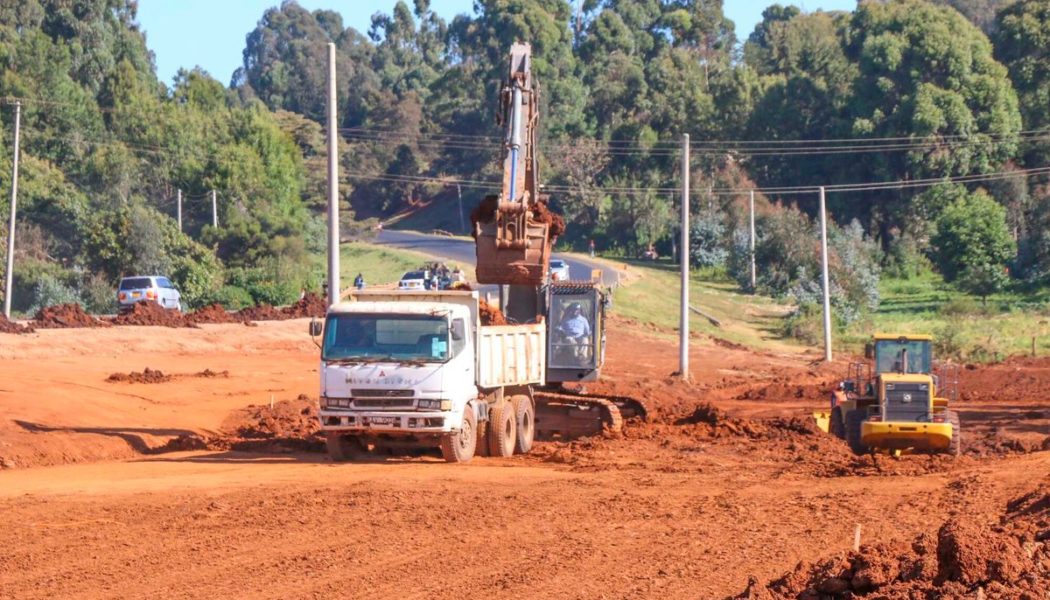
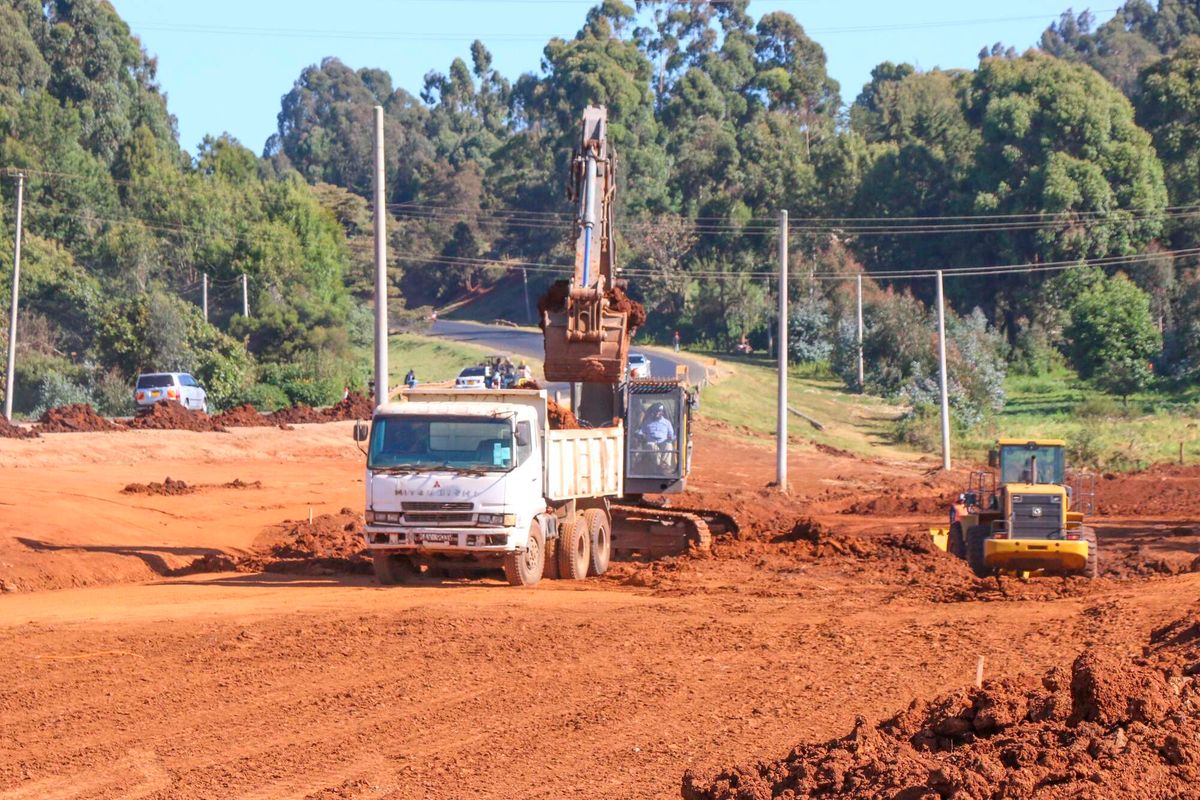
At the centre of the new strategy is the Nairobi–Nakuru–Mau Summit Highway, a project expected to cost between Sh184 billion and Sh200 billion. The road is being financed through a PPP arrangement involving CRBC and the National Social Security Fund, with investors expected to recover their money through toll charges over a 30-year concession period.
The government is also planning to develop the Nairobi–Mombasa Expressway and the Mau Summit–Eldoret–Malaba Highway under similar arrangements.
Beyond roads, the administration is expanding the use of private capital into ports, water infrastructure and logistics assets.
Among the projects under consideration are the concessioning of cargo-handling operations at the ports of Mombasa and Lamu to private operators, as well as the development of dams and irrigation schemes through private sector participation.
The National Infrastructure Fund, established earlier this year, is expected to play a central role in mobilising long-term domestic capital from institutions such as pension funds, insurance firms and large corporates.
Proceeds from the disposal of government shares in Kenya Pipeline Company and Safaricom are among the funds expected to contribute seed capital to the fund.
The government is also increasingly relying on securitisation —borrowing against future revenue streams from levies— to raise money for development projects.
Already, plans are underway to securitise proceeds from the Road Maintenance Levy, Railway Development Levy, Sports Development Levy, Tourism Fund levy and Affordable Housing Levy.
Part of the proceeds from a bond backed by the roads maintenance levy will be used to settle pending bills, while others will finance infrastructure expansion.
The approach is particularly important for the planned extension of the SGR to western Kenya, where the government intends to rely on a securitised bond backed by the Railway Development Levy after China showed little appetite for additional lending.
The budget reflects the administration’s determination to maintain a strong infrastructure push despite fiscal constraints.
Roads will receive the largest share of infrastructure funding, with the Treasury allocating Sh220.4 billion for the sector.
This includes Sh44.3 billion for road construction and bridges, Sh58 billion for rehabilitation and Sh118.1 billion for maintenance.
Rail transport projects have been allocated Sh38.4 billion, with part of the funds expected to support expansion of the railway network and modernisation of urban rail services.